Why Does Ocarina of Time Look Like THAT?
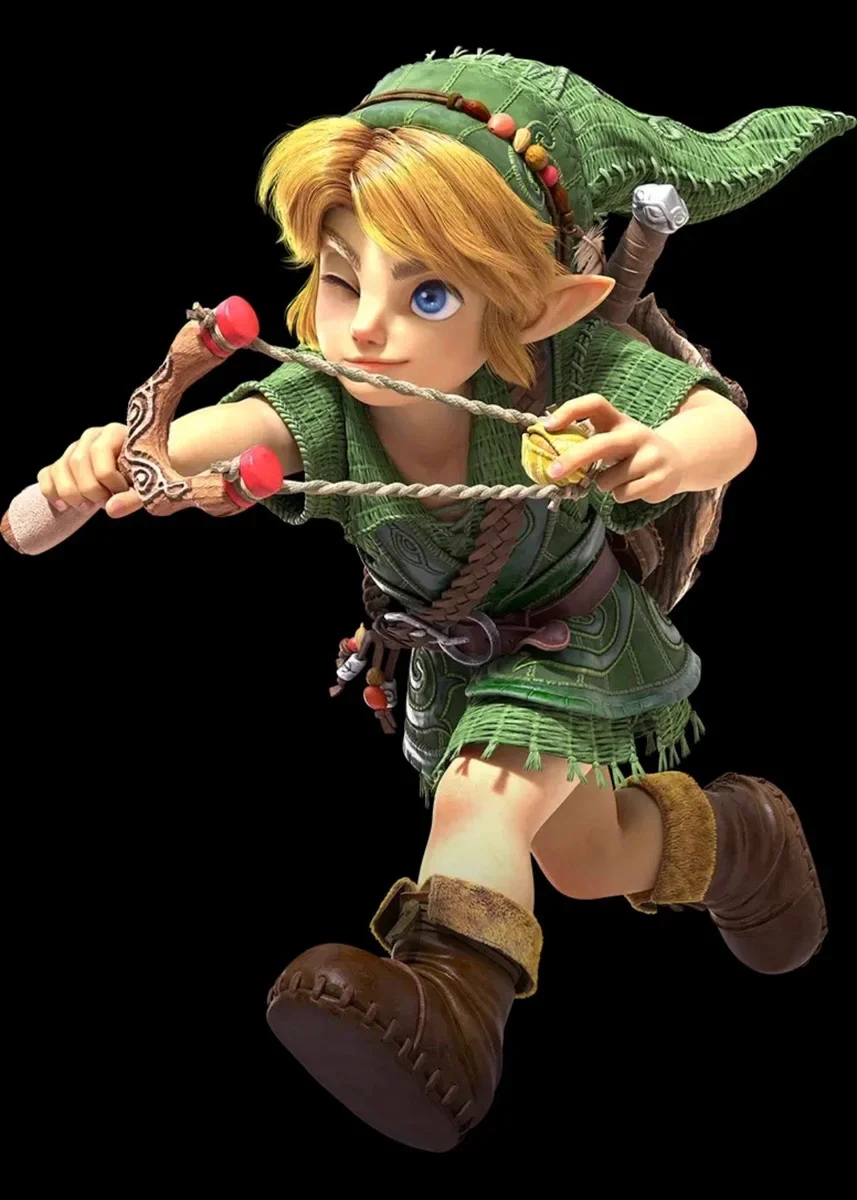
Nintendo’s upcoming remake of Ocarina of Time first gained a bit of scrutiny when it was revealed during the June Nintendo Direct. All we were given at the time was a shot of young Link sleeping, but even that was enough to give internet charlatans enough to complain about. Complaints and hatred have become a currency within the online gaming landscape; but as somebody who has Ocarina of Time in his top five favorite games ever, even I empathize with some of the critiques.
I think first we have to go back to the original 1998 title. Games from this era required imagination and interpretation from the player in the same way a book requires imagination from the reader. When you boot up Metal Gear Solid, released in the same year, a blocky gray chunk with no discernable facial features is your protagonist. But when you hear his iconic voice, see his mannerisms, and see some pictures of the official artwork; it isn’t too difficult to start getting an idea of who Solid Snake is and what he looks like. With Ocarina, it’s a bit harder because I’ve seen people say that it looked realistic back when they played it in 1998. And I’ve seen other people (myself included) say that despite the blocky graphics, Ocarina of Time has a distinct art style just like Wind Waker does. There’s this nice little touch of cartooniness in the character designs.
Games from the late 90’s feel like a sort of Rorschach test. If you show the same game to two different people, one will say it was striving for realism with technological limitations, and the other will say it’s an art style. Heck, the low-poly PS1 look has completely taken over indie games and retroactively become an art style. I think a great set of games to view this idea through is the PlayStation trilogy of Final Fantasy games. If you played Final Fantasy 1-5, you’ll realize that Square was going for a chibi art design with the overworld character models in VII. And the in-battle character models in VII you could argue were striving for realism. Final Fantasy VIII was definitely striving for realism as it was the first game in the series to feature characters with realistic proportions even on the overworld. Despite releasing at the very end of the console, Final Fantasy IX went back to a cartoony art style; which can be easily identified by the character proportions especially clashing against pieces of clothing they wear.
But I’m sure many would disagree with me and say that FFVIII was chasing an art style and FFIX was realistic. So what does this have to do with Ocarina of Time?
For thirteen years after release, everyone who played the game had their own version of Link and Hyrule in their mind. I’m sure for many the way they imagined Ocarina of Time looking was how Twilight Princess looked. For years we saw videos on YouTube called something like “This is what a modern Ocarina of Time would look like” and they always looked like crap. But when the 3DS remake released, it was extremely faithful to the original vision. To me, this is the best Ocarina of Time has ever looked. To be fair, Nintendo took almost zero risk with this remake. it looks like they simply ironed out the creased and corners of the original character models. But this 2026 remake is genuinely a new look for the game. I’ve seen people say it looks like those fanmade videos. I’ve seen people say it looks like AI. And I kind of get it. Maybe I’m biased because this is one of my favorite games, but I don’t think it looks truly awful. I think it’ll take a bit getting used to. My only critique is the textures; I don’t need all these fancy lines on Links sword and clothes. But honestly I’m excited to play this remake and see so many moments in the new art style. Ocarina of Time had a lot of creepy moments and enemy designs and I hope Nintendo doesn’t shy away from that.
This situation is akin to when a book gets a film adaptation and the cast gets revealed. Oftentimes the fanbase of said book will take to social media and complain that an actor who was casted to a specific role doesn’t fit the books description of the character. It can feel emotionally painful to somebody who is deeply invested in the IP to have their mental image of an important character blatantly ignored. But it’s important to recognize that while your mental image may not have been fulfilled; it’s possible that millions of other fans had their mental image fulfilled.